How Electrical Enclosures Improve Safety in Industrial Facilities
Industrial facilities rely on electrical systems to power machinery, automation equipment, and essential operations. One of the most important components in protecting these systems is medium voltage metal enclosed switchgear, which helps isolate electrical components while reducing the risk of accidents and equipment damage.
Combined with properly designed electrical enclosures, these systems create a safer environment for workers and improve the reliability of industrial operations.
Electrical enclosures serve as protective barriers that shield electrical equipment from environmental hazards, accidental contact, and operational failures. As industries continue to modernize, selecting the right enclosure solutions has become essential for maintaining workplace safety and ensuring uninterrupted productivity.
Understanding Electrical Enclosures
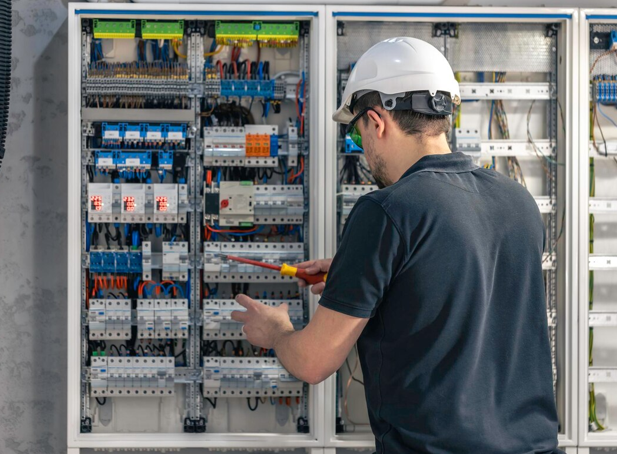
Electrical enclosures are protective cabinets or housings designed to contain electrical components such as switches, breakers, control panels, relays, and wiring systems. They prevent direct human contact with energized equipment while protecting internal components from external environmental conditions.
Modern industrial facilities use electrical enclosures in manufacturing plants, warehouses, processing facilities, power stations, and commercial buildings where electrical systems require secure protection.
Common materials used for electrical enclosures include:
- Steel
- Stainless steel
- Aluminum
- Polycarbonate
- Fiberglass reinforced polyester
Each material offers different advantages depending on environmental conditions and operational requirements.
See also: How Technology Is Revolutionizing Online Learning Platforms
Why Industrial Electrical Safety Matters
Industrial environments contain high-powered electrical systems that operate continuously under demanding conditions. Without proper protection, these systems can create serious workplace hazards.
Potential electrical risks include:
- Electric shock
- Arc flash incidents
- Fire hazards
- Equipment failure
- Production downtime
- Costly repairs
- Worker injuries
Protective electrical enclosures significantly reduce these risks by creating a physical barrier between hazardous electrical components and surrounding personnel.
Protection Against Accidental Contact
One of the primary safety functions of electrical enclosures is preventing accidental contact with energized components.
Industrial workers often operate around complex electrical installations during maintenance, inspections, or routine operations. Exposed conductors or energized parts can result in severe injury if touched unintentionally.
Electrical enclosures improve safety by:
- Covering exposed electrical components
- Restricting unauthorized access
- Preventing accidental tool contact
- Protecting maintenance personnel
- Reducing direct exposure to live circuits
Proper enclosure design ensures that only qualified personnel can access internal electrical systems.
Shielding Equipment From Environmental Hazards
Industrial facilities expose electrical equipment to harsh environmental conditions that can shorten equipment lifespan and increase failure rates.
Electrical enclosures provide protection against:
- Dust accumulation
- Moisture intrusion
- Chemical exposure
- Oil contamination
- Corrosive environments
- High humidity
- Water splashes
- Extreme temperatures
This environmental protection minimizes unexpected failures while maintaining safe operating conditions.
Preventing Electrical Fires
Electrical faults are one of the leading causes of industrial fires. Short circuits, insulation failures, loose connections, and overheating can ignite surrounding materials if left unprotected.
Electrical enclosures help reduce fire risks through:
- Isolating electrical faults
- Containing sparks
- Limiting oxygen exposure
- Protecting wiring connections
- Supporting heat management systems
Many industrial enclosures are specifically designed with fire-resistant materials that further enhance workplace safety.
Improving Arc Flash Protection
Arc flash incidents release massive amounts of heat, light, and pressure in milliseconds. These dangerous events can cause severe burns, hearing damage, and equipment destruction.
Proper enclosure systems reduce arc flash exposure by:
- Containing electrical arcs
- Separating energized components
- Limiting fault propagation
- Supporting internal arc resistance
- Reducing employee exposure during operation
Industrial facilities increasingly invest in advanced enclosure designs that comply with modern arc-resistant standards.
Protecting Critical Industrial Equipment
Industrial production depends on uninterrupted operation of electrical equipment.
Sensitive components including:
- Programmable logic controllers
- Motor control centers
- Distribution panels
- Variable frequency drives
- Protection relays
- Automation controllers
must remain protected from contamination and physical damage.
Electrical enclosures extend equipment lifespan by reducing exposure to harmful external conditions that contribute to premature failure.
Supporting Regulatory Compliance
Industrial facilities must comply with strict electrical safety regulations designed to protect workers and equipment.
Proper electrical enclosures help organizations meet various safety standards involving:
- Equipment accessibility
- Electrical isolation
- Environmental protection
- Hazardous location requirements
- Fire safety
- Worker protection
Compliance reduces legal risks while supporting safer workplace practices across industrial operations.
Enhancing Security Through Controlled Access
Unauthorized access to electrical systems can create significant safety risks.
Modern enclosure systems improve security through:
- Lockable access doors
- Keyed entry systems
- Electronic access control
- Tamper resistant designs
- Security monitoring integration
- Restricted maintenance access
These features help prevent accidental operation and unauthorized modifications to electrical systems.
Supporting Safe Maintenance Procedures
Routine maintenance is necessary for industrial electrical systems, but it also presents opportunities for workplace accidents.
Well designed electrical enclosures improve maintenance safety by:
- Organizing internal components
- Providing labeled circuits
- Separating energized sections
- Allowing controlled access
- Supporting lockout and tagout procedures
- Reducing accidental exposure
These features simplify maintenance while minimizing operational risks.
Reducing Downtime Through Equipment Protection
Unexpected equipment failures can halt industrial production, resulting in financial losses and operational disruptions.
Electrical enclosures contribute to reliability by protecting equipment against:
- Physical impacts
- Dirt contamination
- Water damage
- Corrosion
- Pest intrusion
- Mechanical vibration
Improved equipment reliability translates into fewer shutdowns and lower maintenance costs.
Importance of Proper Enclosure Ratings
Not every industrial environment requires the same level of protection. Electrical enclosures are available with different protection ratings based on operating conditions.
Common considerations include:
- Indoor or outdoor installation
- Dust exposure
- Water exposure
- Corrosive chemicals
- Washdown environments
- Hazardous locations
- Explosion risks
Selecting the appropriate enclosure rating ensures optimal safety and equipment protection throughout the system’s service life. Visit Meta Power Solutions to browse products and services.
Electrical Enclosures in Different Industries
Many industries rely heavily on electrical enclosure systems to maintain safe operations.
Examples include:
- Manufacturing plants
- Oil and gas facilities
- Chemical processing plants
- Mining operations
- Food processing facilities
- Pharmaceutical manufacturing
- Water treatment plants
- Renewable energy installations
Each industry presents unique environmental challenges that require specialized enclosure solutions.
Features of Modern Industrial Electrical Enclosures
Technological advancements have significantly improved enclosure design and functionality.
Modern systems often include:
- Corrosion resistant coatings
- Improved ventilation systems
- Integrated cooling solutions
- Smart monitoring sensors
- Internal lighting
- Modular construction
- Cable management systems
- Remote monitoring capabilities
These innovations improve both equipment performance and worker safety.
Best Practices for Maintaining Electrical Enclosure Safety
Proper maintenance ensures electrical enclosures continue providing effective protection over many years.
Recommended practices include:
- Conduct regular visual inspections
- Check door seals and gaskets
- Remove dust accumulation
- Inspect for corrosion
- Verify locking mechanisms
- Tighten loose hardware
- Replace damaged components
- Maintain proper labeling
Routine inspections allow facilities to identify potential problems before they develop into major safety concerns.
The Future of Industrial Electrical Protection
As industrial automation expands, electrical infrastructure becomes increasingly sophisticated. Advanced enclosure technologies now integrate monitoring systems that detect temperature changes, humidity levels, vibration, and unauthorized access in real time.
Smart enclosure systems provide early warning of developing issues, allowing maintenance teams to respond before equipment failures occur. This predictive approach improves workplace safety while supporting continuous industrial operations.
Future developments will likely include greater integration with industrial Internet of Things technologies, enabling facilities to monitor electrical safety remotely and optimize preventive maintenance strategies.
Conclusion
Electrical enclosures play a critical role in protecting both industrial equipment and personnel from electrical hazards. By preventing accidental contact, shielding equipment from environmental damage, reducing fire risks, improving arc flash protection, and supporting regulatory compliance, these protective systems contribute significantly to safer industrial operations. As industries continue to adopt advanced technologies, properly designed electrical enclosures will remain an essential component of reliable and secure electrical infrastructure.