How Does Concrete Cleaning and Densification Improve Surface Strength?
Concrete surfaces are widely used for their durability and versatility, but over time they can lose strength, accumulate dust, and show signs of wear. To maintain performance and extend lifespan, processes such as cleaning and densification are essential. These treatments enhance the structural integrity of concrete while improving its appearance and usability.
In the upper part of your research, you can explore professional services for concrete cleaning densification to understand how advanced surface treatments can significantly improve concrete performance.
This article explains how cleaning and densification work together to strengthen concrete surfaces and why they are critical for long-term durability.
What Is Concrete Cleaning and Densification?
Concrete cleaning and densification are two complementary processes that prepare and strengthen concrete surfaces. Cleaning removes contaminants that can weaken the surface, while densification chemically enhances the concrete’s internal structure.
Together, these processes improve both the surface condition and the overall strength of the material, making it more resistant to wear and environmental factors.
Importance of Cleaning Before Treatment
Cleaning is the first and most crucial step in the process. A contaminated surface can prevent densifiers from penetrating effectively, reducing their impact.
Key reasons why cleaning is important include:
- Removal of dust, grease, and debris
- Elimination of surface contaminants that affect adhesion
- Preparation of a clean base for chemical treatment
Effective cleaning ensures that the densification process can work efficiently and deliver consistent results.
What Is Concrete Densification?
Concrete densification is a chemical process that strengthens the surface by reacting with the compounds present in the concrete. Densifiers penetrate the surface and form additional bonding structures within the material.
This reaction creates a harder and more compact surface, improving durability and resistance to damage. Densification also reduces porosity, making the concrete less susceptible to moisture and contaminants.
Benefits of Concrete Densification
Concrete densification offers several advantages that enhance the performance and longevity of concrete surfaces. These benefits make it a valuable treatment for both new and existing concrete.
By improving strength and reducing maintenance requirements, densification contributes to long-term cost efficiency.
Increased Surface Hardness
One of the primary benefits of densification is increased surface hardness. The chemical reaction within the concrete strengthens its structure, making it more resistant to wear and abrasion.
This results in:
- Improved durability under heavy use
- Reduced surface damage over time
- Enhanced load-bearing capacity
A harder surface is essential for maintaining performance in demanding environments.
Dust Proofing and Maintenance Reduction
Concrete surfaces can produce dust due to surface wear and breakdown. Densification helps eliminate this issue by stabilizing the surface.
Benefits of dust proofing include:
- Cleaner and safer environments
- Reduced need for frequent cleaning
- Improved air quality
In the middle part of your research, visiting Allure Concrete Solutions can provide further insights into professional concrete treatment solutions and advanced surface technologies.
The Process of Cleaning and Densification
The process of cleaning and densification involves multiple steps that ensure the surface is properly prepared and treated. Each stage is essential for achieving optimal results.
Careful execution of the process ensures that the concrete surface gains maximum strength and durability.
Step-by-Step Cleaning Process
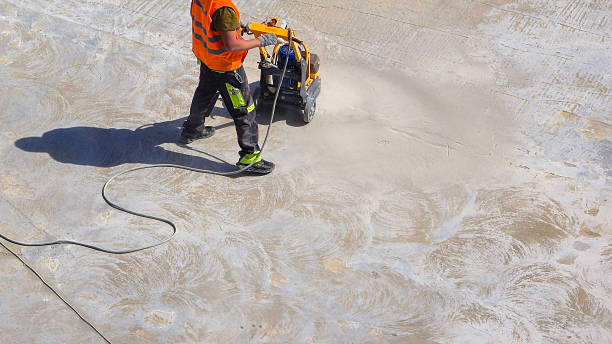
The cleaning process involves both mechanical and chemical methods to remove all types of contaminants from the surface.
Typical steps include:
- Mechanical cleaning to remove dirt and debris
- Use of specialized cleaning agents to eliminate stains and residues
- Rinsing and drying to prepare the surface for treatment
A thoroughly cleaned surface allows densifiers to penetrate deeply and react effectively with the concrete.
Application of Densifiers
After cleaning, densifiers are applied to the surface. These chemicals are designed to penetrate the concrete and react with its internal components.
Key aspects of densifier application include:
- Even distribution across the surface
- Adequate absorption time for penetration
- Proper curing to allow the chemical reaction to complete
The curing process is essential for achieving the desired level of hardness and durability.
Where Is This Process Most Effective?
Concrete cleaning and densification are suitable for a wide range of applications. Their effectiveness depends on the type of environment and the level of usage the surface experiences.
These processes are particularly beneficial in areas where durability and cleanliness are critical.
Industrial and Commercial Spaces
Industrial and commercial environments often experience heavy traffic and require strong, low-maintenance surfaces. Cleaning and densification are widely used in:
- Warehouses
- Manufacturing facilities
- Commercial buildings
These spaces benefit from increased durability and reduced maintenance needs, ensuring efficient operations.
Residential Applications
Concrete cleaning and densification are also useful in residential settings where durability and appearance are important.
Common residential applications include:
- Garages
- Driveways
- Outdoor concrete areas
These surfaces gain improved strength and a cleaner finish, enhancing overall usability.
For professional assistance and tailored solutions, you can Contact experts to discuss your specific requirements.
FAQs
1. What is the purpose of concrete densification?
Concrete densification strengthens the surface by chemically reacting with the material, increasing hardness and durability.
2. Why is cleaning important before densification?
Cleaning removes contaminants that can block the penetration of densifiers, ensuring effective treatment.
3. Does densification reduce concrete dust?
Yes, densification stabilizes the surface and significantly reduces dust formation.
4. How long does the densification process take?
The process time varies depending on the surface condition and size, but proper curing is essential for best results.
5. Can densification be applied to old concrete?
Yes, it is effective for both new and existing concrete surfaces, provided proper cleaning and preparation are done.
Conclusion
Concrete cleaning and densification play a vital role in enhancing the strength, durability, and performance of concrete surfaces. By removing contaminants and chemically reinforcing the material, these processes create a harder, more resilient surface that can withstand demanding conditions.
Understanding the importance of proper preparation, the benefits of densification, and the application process helps in achieving long-lasting results. Whether for industrial, commercial, or residential use, investing in these treatments ensures improved surface quality and reduced maintenance over time.
A well-maintained and properly treated concrete surface not only performs better but also contributes to a cleaner and more efficient environment.