Stop Roof Leaks Before They Start: A Simple 4-Season Maintenance Guide
Nobody pays attention to his or her roof until the ceilings start dripping with water.. By then, a fix that could’ve taken fifteen minutes has usually snowballed into something bigger and messier. Roofs take a beating all year — sun, wind, rain, snow, falling branches — and the damage rarely announces itself right away. It sneaks in through a lifted shingle here, a clogged gutter there, until one season of neglect turns into next season’s leak.
That’s really the whole argument for staying ahead of it. A seasonal checklist gives you a simple rhythm: focused checks throughout the year, timed to how each season actually wears on your roof. You don’t need to be up there every weekend, just paying attention at the right moments.
1. Why Roofs Wear Down Season by Season
A roof doesn’t age evenly. Spring brings moisture and pollen. Summer bakes shingles under UV and heat. Standing Seam Roofing or traditional shingles, the fall season fills up valleys and gutters with leaves and other debris. The winter season then adds snow, ice, and freeze-thaw cycles which cause materials to be dislodged from the system. This type of thinking when it comes to maintenance will make it much simpler to know what to look out for..
2. Spring: Assessing Winter’s Damage
Spring is damage control — figuring out what winter left behind before summer storms make it worse.
- Gutters and downspouts: All fallen leaves and debris must be removed.
- Attic: On sunny days or on dry days, you will need to keep an eye on water marks and daylight leaking from the roof.
- Moss and algae: Moisture during spring is the best growth season. The moss holds water against the shingles and may cause them to lift up.
- Gutter guards: Ensure that they are not detached or bent.
3. Summer: Heat, UV, and Storm Prep
Summer-related damage is more subtle — prolonged heat and sun exposure, plus the odd storm.
- Shingle condition: UV rays cause the shingles to become brittle. Check for warping, blistering, or curled edges.
- Sealant and caulking: The heat causes the caulk surrounding the vents and flashing to shrink or crack. If the caulk has dried out, reapply it.
- Post-storm check: After severe weather check your roof for dented shingles, moved flashing, or debris in the valleys.
- Chimney and vent caps: Just make sure they’re not rusting because storms usually target their weak spots.
4. Fall: Getting Ready for the Freeze
Fall is about clearing out everything that could cause trouble once temperatures drop.
- Cleaning the guttering: This is the most critical job for the fall season. When your gutters are clogged with debris and when temperatures get very cold, you will have ice formation that will tear your gutters from your roof.
- Removing debris: Clean valley areas, the spots behind your chimney, wherever there is accumulation of debris. Moisture retained by the leaves causes deterioration of the roof shingles..
- Flashing, round two: One more check before snow locks everything down — a missed gap now is a much harder fix later.
- Insulation and ventilation: Even, unshifted insulation helps prevent ice dams down the line.
- Branch trim, again: Early snow weight can snap weak branches — deal with anything questionable now.
See also: Renovation Builders in Jindalee: Professional Home Improvement and Renovation Experts
5. Winter: Managing Snow, Ice, and Cold Stress
Winter isn’t for repairs — climbing an icy roof is genuinely risky. It’s time for observation.
- Ice dams: These form when attic heat melts snow up top, which refreezes at the colder eaves. Icicles along the roofline are an early warning sign.
- Snow load: Keep an eye on heavy accumulation, especially on flat sections — most residential roofs handle typical loads fine, but it’s worth watching.
- Ceiling checks: Keep an eye out for any stains or discolorations, particularly upstairs.
- Roof rake: Snow removal is an easy process due to the presence of a rake on the ground level.
6. When to Call a Professional
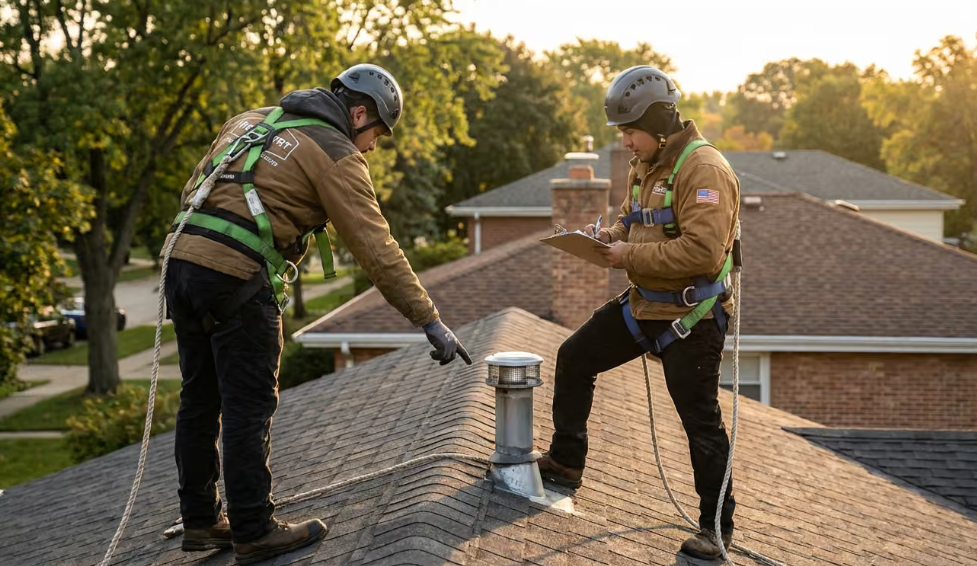
In some situations, however, you must seek assistance from an expert rather than attempting to repair problems on your own, such as sagging sections in your deck, major shedding of granules, repeated leaks in one particular place, or anything that entails climbing up your steep and icy roof. There are several problems that an expert will be able to recognize, but which will be hard for you to discover on your own.
7. Bringing It All Together
This does not take much time on its own, but when practiced regularly, it leads to aging well rather than sudden breakdown of the roof. .Spring is for assessing, summer for heat management, fall for clearing and sealing, winter for watching closely. Skip a season and you’re not doomed — but you’re gambling on catching a problem before it spreads. Stick with the rhythm, and you’ll spend a lot less time worrying about what’s happening over your head.
Final Thoughts
Taking care of your roof doesn’t have to be about being up on a ladder all weekend long; it’s about having awareness of where and when to check. Listening to the patterns of the seasons will help you spot any small issues that can develop into costly problems. Whether you have Standing Seam Roofing or standard asphalt shingles, at the beginning of each season, set a reminder to conduct a quick inspection, ensure that your gutters are clean, and know when it’s time to call a pro.