ASTM A53 B ERW Steel Pipe: Understanding Manufacturing Standards and Applications
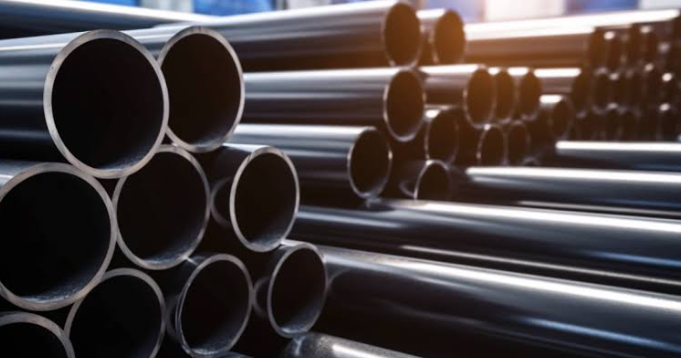
ASTM A53 represents one of the most widely referenced specifications for standard steel pipe used across plumbing, structural, and mechanical applications, with Grade B electric resistance welded pipe representing a common and versatile product within this specification framework.
The Electric Resistance Welding Process
Electric resistance welded pipe is manufactured by forming steel strip into a cylindrical shape and joining the longitudinal seam through electrical resistance heating and pressure, a manufacturing process that offers efficient, cost-effective production for standard pipe sizes across a wide range of applications.
See also: How Device Verification APIs Improve Efficiency Across the Device Lifecycle
Grade B Specifications Within ASTM A53
Grade B designation within the ASTM A53 specification establishes specific minimum yield and tensile strength requirements, distinguishing this grade from Grade A alternatives and providing engineers with clearly defined mechanical property expectations for their specification and design purposes.
Common Applications for A53 Grade B Pipe
ASTM A53 Grade B ERW pipe finds widespread application across water and gas distribution systems, structural framing applications, and general mechanical piping systems, reflecting the specification’s broad applicability across diverse construction and industrial use cases. Buyers evaluating manufacturers of this product can review offerings from Longma astm a53 erw steel pipe manufacturers where product specifications are detailed.
Quality Assurance for ERW Pipe Applications
Given that weld seam integrity is central to ERW pipe performance, buyers should verify that suppliers maintain appropriate quality control measures throughout the welding process, including non-destructive testing procedures that confirm weld seam quality meets ASTM A53 requirements.
Common Questions
What distinguishes ERW pipe from other manufacturing methods? ERW pipe is manufactured by forming steel strip and joining the longitudinal seam through electrical resistance welding, differing from seamless production or other welding methods such as submerged arc welding.
What applications commonly use ASTM A53 Grade B pipe? Water and gas distribution, structural framing, and general mechanical piping applications commonly specify ASTM A53 Grade B pipe due to its broad applicability and established performance track record.
How is weld seam quality verified in ERW pipe production? Non-destructive testing procedures conducted during and after the welding process help verify that weld seam integrity meets the requirements specified in the ASTM A53 standard.
Conclusion
ASTM A53 Grade B ERW steel pipe continues to serve as a versatile, widely applicable product across numerous construction and industrial applications. Verifying manufacturer quality control practices helps ensure sourced pipe reliably meets the weld seam integrity and mechanical property requirements this specification establishes.