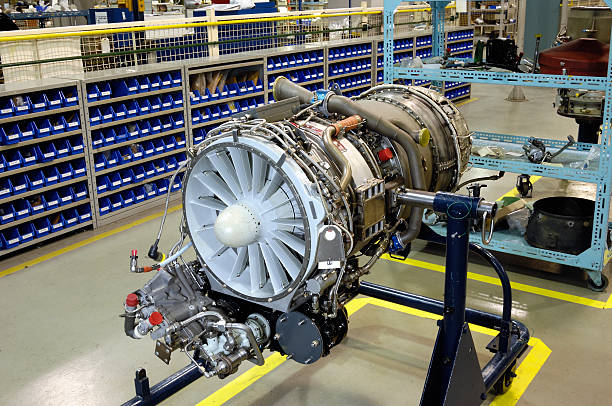
Industrial Gas Turbine Technology: Powering Modern Industry with Efficiency and Reliability
In today’s fast-paced industrial environment, reliable energy generation is essential for maintaining productivity, reducing operational costs, and supporting sustainable growth. Among the most efficient power generation technologies available today, the industrial gas turbine has become a cornerstone for industries that require continuous, high-capacity energy production.
From manufacturing plants and refineries to power stations and large commercial facilities, gas turbine systems deliver dependable performance, high efficiency, and flexible operation. As industries continue to seek cleaner and more cost-effective energy solutions, gas turbine technology continues to evolve, offering improved output and reduced emissions.
This article explores the role of the industrial gas turbine, its working principles, applications, benefits, and future trends shaping industrial power generation.
Understanding Industrial Gas Turbine Technology
An industrial gas turbine is a rotary engine that converts the energy from burning fuel into mechanical power. This mechanical energy can then be used directly for industrial processes or converted into electricity through a generator.
The basic operating principle involves three major stages:
- Air intake and compression
- Fuel combustion
- Expansion of high-temperature gases through turbine blades
As the hot gases expand, they spin the turbine, generating significant amounts of power. The process is continuous, making gas turbines highly effective for large-scale industrial operations.
Modern industrial turbines are engineered to provide exceptional efficiency while maintaining reliable performance under demanding operating conditions.
How Gas Turbine Systems Work
The operation of a gas turbine follows a relatively simple but highly efficient cycle.
Air Compression
Ambient air enters the compressor section where multiple stages of blades increase pressure significantly before the air enters the combustion chamber.
Fuel Combustion
Compressed air mixes with fuel and ignites within the combustion chamber. The resulting high-temperature gases contain a substantial amount of energy.
Turbine Expansion
The hot gases pass through turbine stages, causing the blades to rotate at high speeds. This rotational energy powers the compressor and produces usable mechanical output.
Electricity Production
In many applications, turbines are connected to generators for gas turbine power generation, supplying electricity to industrial facilities or utility grids.
This continuous cycle enables consistent power production with relatively low downtime.
Key Applications Across Industries
The versatility of the industrial gas turbine makes it suitable for a wide range of industries.
See also: Role of Content Optimization in Local Search Rankings
Power Generation Plants
Gas turbines are widely used in utility-scale power stations because they can produce electricity efficiently and respond quickly to changing demand.
Oil and Gas Operations
Refineries, offshore platforms, and natural gas processing facilities rely on turbines for both power generation and mechanical drive applications.
Manufacturing Facilities
Large manufacturing plants use turbines to provide dependable energy for production equipment, heating systems, and process operations.
Chemical Processing Plants
Chemical facilities often require uninterrupted power and process heat, making gas turbines an ideal solution.
District Energy Systems
Many urban developments utilize turbine-based systems to provide combined heat and power (CHP) solutions for residential and commercial users.
The flexibility of the industrial gas turbine allows operators to tailor systems to specific operational requirements.
Advantages of Industrial Gas Turbines
High Efficiency
One of the primary reasons industries choose gas turbines is their excellent efficiency, especially when integrated into combined-cycle systems.
Waste heat from turbine exhaust can be recovered and used to generate additional electricity or process steam, significantly improving overall system performance.
Fast Startup Capability
Unlike some traditional power generation systems, gas turbines can reach operating conditions relatively quickly.
This rapid startup capability allows facilities to respond effectively to fluctuating power demands.
Lower Emissions
Modern turbine designs focus heavily on emission reduction technologies.
Advanced combustion systems help reduce:
- Nitrogen oxide emissions
- Carbon monoxide emissions
- Unburned hydrocarbons
As environmental regulations become more stringent, gas turbines continue to offer cleaner alternatives to older power technologies.
Compact Design
Gas turbines provide substantial power output within a relatively compact footprint, making them attractive for facilities with space constraints.
Operational Reliability
Modern turbine systems are engineered for continuous operation and can achieve impressive availability rates when properly maintained.
These factors contribute significantly to the growing popularity of the industrial gas turbine across multiple sectors.
Combined Cycle Technology
One of the most important advancements in turbine-based power systems is combined-cycle operation.
In a conventional gas turbine system, some energy exits through the exhaust stream. Combined-cycle systems capture this waste heat and use it to produce steam that drives an additional turbine.
This integration combines a gas turbine with a steam and gas turbine arrangement to maximize energy extraction from the fuel source.
Benefits include:
- Increased efficiency
- Reduced fuel consumption
- Lower operating costs
- Reduced environmental impact
Many modern power plants now utilize combined-cycle configurations because they deliver some of the highest efficiency levels available in commercial power generation.
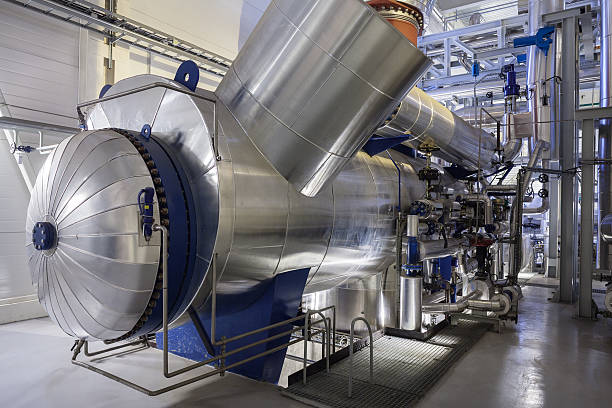
The Role of Steam Turbines in Energy Production
While gas turbines dominate many industrial applications, steam turbines remain an important component of modern power systems.
A steam powered turbine operates using high-pressure steam produced by boilers or heat recovery systems.
Steam turbines are commonly used in:
- Combined-cycle plants
- Nuclear facilities
- Industrial cogeneration systems
- Renewable thermal power facilities
When integrated with gas turbine technology, steam turbines help capture additional energy that would otherwise be lost, significantly improving overall plant efficiency.
Fuel Flexibility and Modern Innovations
One major advantage of gas turbine technology is its ability to operate using various fuel sources.
Common fuels include:
- Natural gas
- Diesel fuel
- Kerosene
- Biogas
- Synthetic fuels
- Hydrogen blends
Manufacturers are increasingly investing in hydrogen-capable turbine systems as industries pursue carbon reduction goals.
Future turbine models are expected to support:
- Higher hydrogen concentrations
- Lower carbon emissions
- Enhanced combustion efficiency
- Improved digital monitoring systems
These advancements ensure that the industrial gas turbine remains a critical technology in the transition toward cleaner energy systems.
Maintenance and Lifecycle Considerations
Like any industrial equipment, gas turbines require routine maintenance to ensure optimal performance.
Maintenance activities typically include:
Inspection Programs
Regular inspections identify wear, corrosion, and component degradation before major failures occur.
Component Replacement
Critical parts such as turbine blades, combustion liners, and seals may require replacement during scheduled outages.
Performance Monitoring
Modern digital monitoring systems continuously evaluate turbine health and efficiency.
Predictive Maintenance
Artificial intelligence and data analytics are increasingly used to predict maintenance needs before problems occur.
A proactive maintenance strategy helps maximize reliability while minimizing unexpected downtime.
Future Trends in Gas Turbine Technology
Several emerging trends are shaping the future of turbine-based power systems.
Hydrogen Integration
Manufacturers continue developing turbines capable of operating on higher percentages of hydrogen fuel.
Digital Twin Technology
Virtual turbine models allow operators to simulate performance and optimize maintenance schedules.
Carbon Reduction Initiatives
New combustion technologies are reducing greenhouse gas emissions while maintaining efficiency.
Advanced Materials
High-temperature alloys and ceramic components improve durability and efficiency under extreme operating conditions.
Smart Grid Compatibility
Future systems will increasingly support flexible gas turbine power applications that integrate seamlessly with renewable energy sources such as solar and wind.
These innovations position gas turbines as a key component of future industrial energy infrastructure.
Why Industries Continue to Invest in Gas Turbines
Industrial facilities require power systems that balance efficiency, reliability, scalability, and environmental responsibility.
Gas turbines deliver:
- Consistent energy output
- High operational flexibility
- Reduced emissions
- Strong return on investment
- Compatibility with future fuels
- Enhanced energy security
As global energy demands continue to rise, industries are increasingly adopting turbine technologies to meet production goals while maintaining sustainability commitments.
The adaptability of the industrial gas turbine ensures it remains one of the most valuable assets in modern industrial energy strategies.
Beyond Conventional Power: The Next Evolution of Industrial Gas Turbine Systems
The future of industrial energy generation will be defined by efficiency, sustainability, and intelligent system integration. Advanced turbine technologies are moving beyond traditional power production by incorporating digital monitoring, predictive maintenance, hydrogen-ready combustion systems, and high-efficiency combined-cycle configurations.
As industries pursue carbon reduction targets while maintaining operational reliability, the industrial gas turbine will continue to play a vital role in delivering scalable and dependable energy solutions. Organizations that invest in modern turbine systems today are positioning themselves for a future where energy performance, environmental responsibility, and long-term profitability work together to create lasting competitive advantages.
By embracing next-generation turbine innovations, businesses can build more resilient operations while meeting the evolving demands of the global industrial landscape.