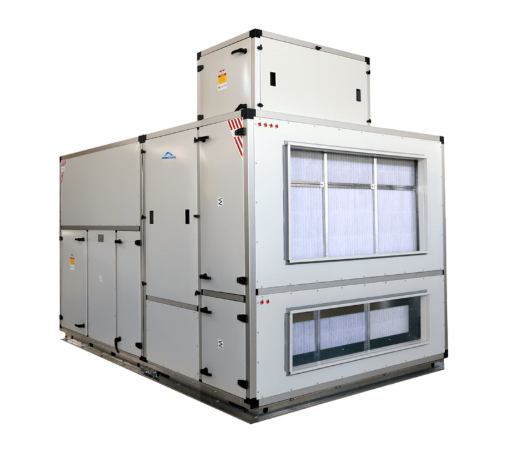
Evaporative Coolers: An Energy-Efficient Way to Beat the Heat
Staying Cool Without High Energy Costs
As temperatures continue to rise, finding an effective and affordable cooling solution has become a priority for homeowners, businesses, and industrial facilities alike. While traditional air conditioning systems provide relief from the heat, they often come with high installation costs and significant energy consumption.
This is where evaporative coolers offer a practical alternative. Known for their energy efficiency and environmentally friendly operation, evaporative coolers have become a popular cooling solution for a wide range of applications. From residential spaces and commercial buildings to warehouses and manufacturing facilities, these systems provide reliable cooling while helping reduce electricity expenses.
By using the natural process of water evaporation, evaporative coolers deliver fresh, cool air without relying on complex refrigeration systems, making them an increasingly attractive option for modern cooling needs.
What Are Evaporative Coolers?
Evaporative coolers, sometimes referred to as swamp coolers, are cooling systems that reduce air temperature through the process of evaporation.
The system works by drawing warm outdoor air through water-saturated cooling pads. As the air passes through these pads, the water evaporates and absorbs heat, resulting in cooler air being circulated into the desired space.
Unlike traditional air conditioning systems, evaporative coolers do not use refrigerants or compressors. Instead, they rely on:
- Water
- Cooling pads
- Fans
- Airflow management
This simple yet effective cooling method provides an energy-efficient solution for maintaining comfortable indoor environments.
How Evaporative Coolers Work
Understanding the operating principle behind evaporative coolers helps explain why they are so energy efficient.
The cooling process typically follows these steps:
- Warm outside air enters the cooler.
- The air passes through water-soaked cooling pads.
- Water evaporation removes heat from the air.
- A fan distributes the cooled air throughout the space.
- Fresh air continuously circulates into the environment.
Because the system introduces fresh air rather than recirculating existing indoor air, it also contributes to improved ventilation and indoor air quality.
Benefits of Evaporative Coolers
Energy Efficiency
One of the biggest advantages of evaporative coolers is their low energy consumption.
Traditional air conditioners require compressors and refrigerants, which consume significant amounts of electricity. Evaporative coolers primarily use fans and water pumps, resulting in much lower operating costs.
Benefits include:
- Reduced electricity bills
- Lower energy consumption
- Cost-effective cooling
- Improved sustainability
For businesses and homeowners seeking long-term savings, evaporative cooling offers an attractive solution.
Environmentally Friendly Cooling
Environmental concerns are influencing purchasing decisions across many industries. Evaporative coolers support sustainable cooling by minimizing environmental impact.
Advantages include:
- No harmful refrigerants
- Reduced carbon emissions
- Lower energy demand
- Natural cooling process
These eco-friendly features make evaporative cooling a responsible choice for environmentally conscious users.
Improved Indoor Air Quality
Unlike traditional air conditioning systems that recycle indoor air, evaporative coolers continuously introduce fresh air into the space.
This process helps:
- Improve ventilation
- Reduce stale air
- Minimize odors
- Enhance overall comfort
Fresh airflow can be particularly beneficial in commercial and industrial environments where ventilation is critical.
Lower Installation Costs
In many situations, evaporative cooling systems are more affordable to install than conventional air conditioning systems.
The simpler design often requires:
- Less complex ductwork
- Reduced infrastructure modifications
- Lower equipment costs
- Faster installation times
These factors contribute to lower upfront investment requirements.
Applications of Evaporative Coolers
One of the key strengths of evaporative coolers is their versatility.
They are suitable for a wide range of environments, including:
Residential Properties
Homeowners often use evaporative cooling systems to maintain comfortable indoor temperatures during warm weather.
Popular applications include:
- Living rooms
- Bedrooms
- Outdoor patios
- Garages
- Home workshops
Commercial Buildings
Retail stores, offices, restaurants, and showrooms can benefit from efficient cooling while managing operating costs.
Evaporative coolers provide fresh airflow that enhances comfort for both employees and customers.
Industrial Facilities
Factories, warehouses, and production facilities frequently generate excess heat due to machinery and manufacturing processes.
Industrial cooling solutions help maintain safer and more productive working environments.
Agricultural Operations
Agricultural facilities often require effective temperature control for livestock, crops, and storage areas.
Evaporative coolers can help regulate environmental conditions while minimizing energy usage.
Why Evaporative Coolers Perform Best in Certain Climates
While evaporative coolers offer many advantages, their performance is influenced by local climate conditions.
They are most effective in:
- Hot climates
- Dry regions
- Low-humidity environments
Because evaporation occurs more efficiently when humidity levels are low, these systems can achieve significant temperature reductions in arid areas.
In humid environments, cooling effectiveness may be reduced because the air already contains a higher concentration of moisture.
Understanding climate suitability helps users maximize cooling performance and efficiency.
Choosing the Right Evaporative Cooler
Selecting the right system requires careful consideration of several factors.
Cooling Capacity
The size of the area being cooled directly impacts the required cooling capacity.
Important considerations include:
- Room dimensions
- Ceiling height
- Occupancy levels
- Heat-generating equipment
Proper sizing ensures efficient and effective cooling performance.
Airflow Requirements
Airflow determines how quickly and evenly cool air is distributed throughout a space.
Larger spaces typically require higher airflow capacities to maintain consistent comfort.
Water Tank Capacity
Water tank size influences operating duration and maintenance frequency.
Larger tanks support longer cooling periods without requiring frequent refills.
Energy Consumption
Comparing power ratings helps identify the most efficient systems for your cooling needs.
Lower energy consumption translates into greater long-term savings.
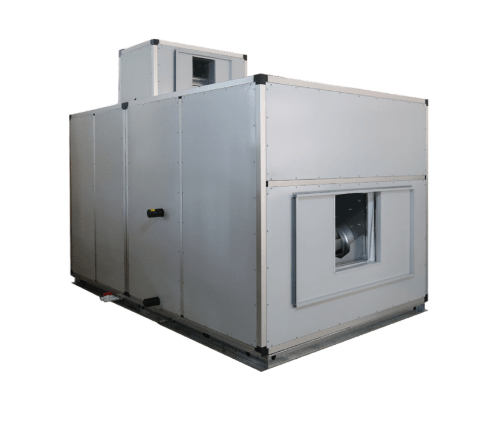
Maintenance Tips for Long-Term Performance
Routine maintenance is essential for keeping evaporative coolers operating efficiently.
Recommended maintenance tasks include:
Cleaning Cooling Pads
Cooling pads should be inspected and cleaned regularly to prevent mineral buildup and maintain optimal airflow.
Checking Water Quality
Using clean water helps improve system performance and extends component lifespan.
Inspecting Fans and Motors
Routine inspections help identify wear and prevent unexpected equipment failures.
Seasonal Maintenance
Before peak summer usage, a thorough system inspection can help ensure reliable operation throughout the cooling season.
Proper maintenance supports consistent performance and maximizes equipment longevity.
The Cost-Saving Advantages of Evaporative Cooling
Many businesses and homeowners choose evaporative coolers because of their ability to reduce cooling expenses.
Compared to traditional air conditioning systems, evaporative cooling can offer:
- Lower electricity bills
- Reduced maintenance costs
- Affordable installation
- Longer equipment lifespan
These advantages make evaporative cooling an appealing investment for both residential and commercial users.
See also: How Technology Is Supporting Better Operational Efficiency
Future Trends in Evaporative Cooling Technology
As cooling technology continues to evolve, manufacturers are introducing innovative features designed to improve efficiency and user experience.
Emerging trends include:
- Smart controls and automation
- IoT-enabled monitoring systems
- Advanced cooling pad materials
- Improved water management technology
- Enhanced energy efficiency
These developments are helping evaporative cooling systems become even more effective and user-friendly.
Conclusion
As energy costs rise and sustainability becomes increasingly important, evaporative coolers offer a practical and cost-effective way to stay comfortable during hot weather. Their ability to provide fresh, cool air while consuming significantly less energy than traditional air conditioning systems makes them an attractive choice for homes, businesses, and industrial facilities.
From improved indoor air quality and lower operating costs to environmentally friendly performance, evaporative cooling delivers numerous benefits across a wide range of applications. For those seeking reliable and efficient cooling solutions, Yesarctic provides innovative systems designed to meet modern cooling requirements while supporting long-term energy savings.