How Does a Well Designed Entryway Enhance the Value and Appeal of a Home?
Why Is the Entryway One of the Most Important Areas of a Home?
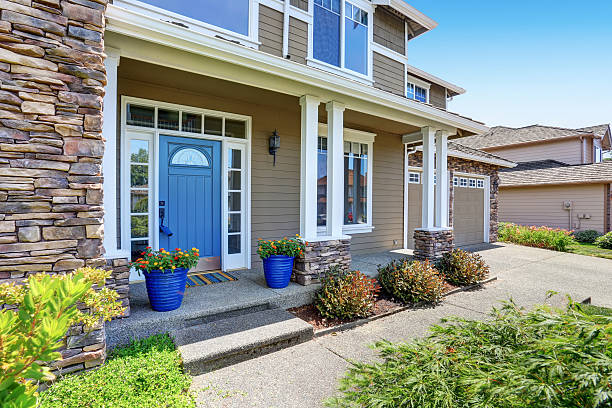
The entryway is much more than a simple transition space between the outdoors and the interior. It serves as the first architectural statement a home makes and establishes expectations for the rest of the property. Whether the home features a traditional, transitional, or contemporary style, the entrance plays a major role in shaping perceptions of quality, functionality, and design sophistication.
A thoughtfully designed entryway creates a welcoming atmosphere while improving the overall flow of the home. It combines architectural elements, materials, lighting, and proportions to create a cohesive introduction to the living space. Homeowners often focus on kitchens, bathrooms, and living areas during design projects, but the entrance deserves equal attention because it influences both aesthetics and functionality.
Investing in professional house entrance design ensures that every detail contributes to a unified architectural vision. From exterior presentation to interior circulation, a carefully planned entrance can significantly enhance the home’s overall appeal and long-term value.
What Makes an Entryway Architecturally Successful?
An effective entryway blends visual appeal with practical functionality. It should create a sense of arrival while supporting the daily needs of the household. Successful designs balance architectural beauty with usability, ensuring that the space remains both inviting and efficient.
Creating a Strong First Impression
First impressions are formed within moments, making the entryway one of the most influential areas of residential architecture. A well-designed entrance immediately communicates quality, attention to detail, and design consistency.
Several architectural elements contribute to a positive first impression:
- Proportionate entry doors
- Thoughtful lighting placement
- Quality materials and finishes
- Defined pathways and approaches
- Architectural detailing that complements the home’s style
When these elements work together, they create a welcoming experience that reflects the overall character of the residence.
Establishing Architectural Identity
The entryway often serves as the focal point of the home’s exterior. It provides an opportunity to introduce design themes that continue throughout the property. Materials, textures, and detailing selected for the entrance help establish a consistent architectural language that strengthens the home’s visual identity.
How Entryway Design Supports Daily Functionality
Beyond aesthetics, entryways play an important practical role. They act as transition zones that help organize movement between exterior and interior environments. Effective planning improves convenience while maintaining a clean and organized appearance.
Improving Traffic Flow
A well-planned entryway guides movement naturally throughout the home. Architects consider circulation patterns when designing entrances to ensure comfortable navigation between key living areas.
Adequate spacing, clear sightlines, and logical room connections contribute to a smoother daily experience. These design considerations become particularly valuable in larger homes where organization and flow are essential.
Enhancing Organization
Entryways often function as practical storage and organization areas. Built-in cabinetry, benches, coat storage, and concealed organizational features help reduce clutter while maintaining a polished appearance.
A thoughtfully designed entrance balances visual elegance with practical storage solutions, supporting both aesthetics and convenience.
The Importance of Scale and Proportion in Entryway Design
Architectural scale and proportion play a critical role in determining how an entryway feels and functions. An entrance that is too small may feel underwhelming, while one that is oversized can appear disconnected from the rest of the home.
Designing for Balance
Architects carefully evaluate the relationship between the entrance and the overall structure. Door dimensions, ceiling heights, lighting fixtures, and architectural details should work together harmoniously.
Balanced proportions create a sense of comfort and sophistication while reinforcing the home’s architectural style. This approach ensures that the entryway feels intentional rather than simply functional.
Creating Visual Hierarchy
A successful entryway naturally draws attention without overwhelming the home’s overall composition. Visual hierarchy helps guide the eye toward important architectural features while maintaining balance throughout the design.
Strategic use of materials, lighting, and detailing can establish a focal point that enhances both interior and exterior aesthetics.
How Materials Influence Entryway Design
Material selection has a significant impact on both appearance and performance. High-quality materials contribute to durability while supporting the overall design vision.
Natural Materials and Timeless Appeal
Wood, stone, metal, and glass are frequently used in luxury residential entryways because they offer both beauty and longevity. These materials create depth, texture, and visual interest while complementing a wide range of architectural styles.
Natural materials often age gracefully and continue to enhance the home’s character over time.
Coordinating Interior and Exterior Elements
Consistency between exterior and interior materials creates a seamless transition. When flooring, wall finishes, and architectural details align with exterior design elements, the entryway feels integrated and cohesive.
This continuity strengthens the overall architectural experience and contributes to a more refined presentation.
Why Professional Entryway Design Architecture Matters
Professional architectural planning brings expertise that extends beyond aesthetics. Architects evaluate functionality, proportions, structural considerations, and design consistency to create spaces that perform well over time.
Effective entryway design architecture addresses both practical and visual objectives. Rather than focusing on isolated features, architects develop comprehensive solutions that align with the overall goals of the home.
Attention to Architectural Details
Details often distinguish exceptional entryways from ordinary ones. Architects carefully consider elements such as:
- Door placement and orientation
- Ceiling treatments
- Custom millwork
- Lighting integration
- Flooring transitions
These details contribute to a polished appearance while improving usability and comfort.
Long Term Design Value
Professional design decisions support long-term satisfaction and property value. Thoughtful planning reduces the likelihood of future modifications while ensuring that the entryway remains functional and visually appealing as needs evolve.
This strategic approach helps homeowners maximize both aesthetic and financial benefits.
Modern Trends in Residential Entryway Design
While timeless design principles remain important, modern entryways continue to evolve in response to changing lifestyles and homeowner preferences. Contemporary designs often emphasize simplicity, openness, and natural light while maintaining a strong architectural presence.
Popular design priorities include:
- Larger entry doors with clean lines
- Enhanced natural lighting through sidelights and glass elements
- Integrated storage solutions
- Durable and low-maintenance materials
- Strong connections between indoor and outdoor spaces
These trends support both visual appeal and practical functionality while maintaining architectural integrity.
How a Thoughtfully Designed Entryway Contributes to Home Value
Entryways influence how a property is perceived by visitors, potential buyers, and homeowners themselves. Because they serve as the gateway to the residence, they play a significant role in shaping overall impressions.
A professionally designed entryway can contribute to:
- Stronger curb appeal
- Improved interior flow
- Greater architectural cohesion
- Enhanced functionality
- Increased property desirability
These benefits demonstrate why entryway planning should be considered an important component of residential architectural design rather than an afterthought.
Conclusion
An entryway is far more than a simple entrance. It establishes the home’s character, supports daily functionality, and creates a memorable first impression. Through thoughtful planning, quality materials, balanced proportions, and architectural expertise, homeowners can create entry spaces that enhance both beauty and usability.
Whether designing a new residence or updating an existing property, investing in professional entryway architecture can deliver lasting benefits. If you are considering a custom entryway project and would like expert guidance tailored to your home’s architectural style, Get in touch to discuss your vision and explore personalized design solutions.