How to Create Depth and Dimension in Your Garden Design
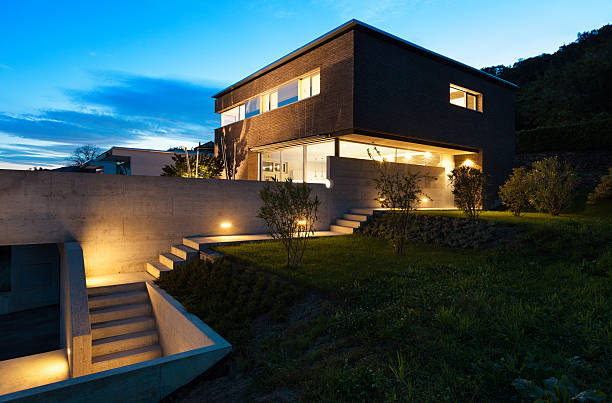
Creating a beautiful outdoor space involves more than selecting attractive plants and decorative features. A thoughtfully designed garden uses layers, textures, colors, and focal points to create visual interest and make the space feel larger and more inviting. One of the most effective ways to enhance these design elements is through landscape lighting, which highlights different areas and adds depth after sunset while complementing the overall layout.
Whether your garden is large or small, understanding how to create depth and dimension can transform it into a dynamic outdoor retreat that changes beautifully throughout the seasons.
Understand the Importance of Layering
One of the fundamental principles of landscape design is layering. Rather than placing plants randomly throughout the yard, arrange them in layers based on height, texture, and growth habits.
A layered garden naturally creates perspective and guides the eye through the landscape.
Consider organizing plants as follows:
- Tall trees and shrubs in the background
- Medium sized flowering plants in the middle
- Ground covers and low growing plants at the front
- Climbing vines to add vertical interest
Layering creates a sense of fullness without making the garden feel overcrowded.
Use Different Plant Heights
Gardens with plants of similar height often appear flat and uninteresting. Varying plant heights introduces movement and visual depth while making the space feel more natural.
Tall ornamental grasses, flowering shrubs, and small trees provide structure, while shorter perennials and annual flowers soften the edges.
Mixing heights also allows sunlight to reach different levels of planting, helping various species thrive together while enhancing the garden’s visual appeal.
Create Curved Pathways
Straight pathways can make a garden appear rigid and predictable. Curved paths encourage exploration and make the landscape seem larger than it actually is.
Gentle curves naturally slow movement through the garden and reveal different views along the way.
Materials such as gravel, natural stone, brick, or stepping stones can create inviting pathways that blend with the surrounding landscape while adding texture and contrast.
Incorporate Multiple Textures
Texture plays a major role in creating dimension within a garden. Combining plants with different leaf shapes, sizes, and surfaces creates subtle visual contrast.
Some texture combinations include:
- Fine textured grasses beside broad leaf hostas
- Smooth evergreen shrubs next to rough bark trees
- Delicate flowers paired with bold tropical foliage
- Ferns growing alongside structured succulents
These contrasts make the garden feel richer and more visually engaging throughout the year.
Add Vertical Elements
Many homeowners focus only on ground level planting, overlooking opportunities to add height.
Vertical elements naturally draw the eye upward and make outdoor spaces feel more expansive.
Popular vertical features include:
- Pergolas
- Trellises
- Garden arches
- Decorative obelisks
- Living green walls
- Climbing roses or vines
These structures add architectural interest while providing support for climbing plants that soften hard surfaces.
Design Around Focal Points
Every well designed garden benefits from one or more focal points that capture attention.
A focal point gives visitors a visual destination while helping organize the surrounding landscape.
Possible focal points include:
- Water fountains
- Sculptures
- Bird baths
- Large decorative pots
- Flowering specimen trees
- Garden benches
Position surrounding plants to frame these features rather than hide them, creating balanced compositions that feel intentional and inviting.
Use Color to Build Perspective
Color selection can influence how large or small a garden appears.
Cool colors such as blue, lavender, and pale purple tend to recede visually, creating the illusion of greater distance.
Warm colors like red, orange, and bright yellow appear closer and attract immediate attention.
Placing cooler shades toward the back of planting beds and warmer colors near seating areas or entrances helps establish natural depth and perspective.
Add Hardscape Features
Hardscape elements provide structure that complements soft plantings and creates contrast throughout the garden.
Stone walls, patios, retaining walls, decorative edging, and raised beds introduce permanent features that define spaces while adding dimension.
Mixing hard surfaces with greenery creates a balanced landscape that remains attractive even during dormant seasons when fewer plants are blooming.
Natural materials often blend best with outdoor environments and age gracefully over time.
Include Water Features for Visual Movement
Moving water introduces both visual and auditory interest into a garden.
The reflective quality of water creates additional depth while adding tranquility to the environment.
Water features can range from small container fountains to ponds with aquatic plants and waterfalls.
The surrounding landscape can be designed to frame these features using rocks, ornamental grasses, and moisture loving plants that enhance the natural appearance.
Create Garden Rooms
Breaking a garden into smaller outdoor spaces creates the illusion of a larger property while adding a sense of discovery.
Each area can serve a unique purpose while maintaining visual connections with neighboring spaces.
Examples include:
- Reading corners
- Dining patios
- Herb gardens
- Meditation spaces
- Flower gardens
- Vegetable sections
Using hedges, decorative screens, or pathways to separate these spaces creates progression and interest as visitors move throughout the garden.
Use Repetition for Unity
While variety is important, too many unrelated elements can make a garden feel chaotic.
Repeating plant varieties, colors, materials, or shapes creates consistency that ties the landscape together.
For example, repeating the same ornamental grass in several beds or using matching stone edging throughout the property creates rhythm and cohesion without appearing repetitive.
This balanced repetition helps guide the eye smoothly across the landscape.
Enhance Depth with Strategic Lighting
Outdoor lighting dramatically changes how a garden looks after dark.
Instead of illuminating every corner equally, strategic lighting highlights textures and creates shadows that add depth.
Effective lighting techniques include:
- Uplighting trees to emphasize height
- Spotlighting sculptures or focal points
- Path lighting for safe navigation
- Soft lighting beneath shrubs
- Accent lighting around water features
Combining different lighting levels creates atmosphere while extending the usability of outdoor spaces into the evening hours.
Frame Views with Trees and Shrubs
Strategically placed trees and shrubs can frame important garden views while directing attention toward specific areas.
Rather than blocking sightlines completely, they create windows through the landscape that reveal focal points gradually.
Layered tree canopies combined with understory shrubs create natural transitions that mimic forest environments and add significant visual complexity.
Select Plants for Seasonal Interest
A garden with year round interest naturally appears more dynamic and dimensional.
Choose plants that offer changing colors, flowers, berries, bark textures, or foliage throughout different seasons.
Examples include spring blossoms, summer flowers, autumn foliage, and evergreen plants that provide winter structure.
Seasonal variety ensures the garden remains visually appealing regardless of the time of year.
Balance Open Spaces with Planting Beds
Not every area needs to be densely planted. Open lawns or gravel areas create visual breathing room and make nearby planting beds stand out more effectively.
The contrast between open and filled spaces creates balance while helping individual garden features receive greater attention.
Well placed open spaces also improve circulation and create opportunities for outdoor recreation and relaxation.
Conclusion
Creating depth and dimension in your garden design involves combining thoughtful plant placement, varied textures, layered heights, focal points, pathways, and architectural features into one cohesive landscape. By balancing soft planting with hardscape elements and carefully considering color, lighting, and seasonal interest, even a modest outdoor space can feel expansive and visually captivating.
A garden designed with these principles offers changing perspectives throughout the day and across the seasons, creating an environment that remains beautiful and engaging year round.