Are Hestan TITUM Fusion Nonstick Pans Worth It for Everyday Cooking?
Choosing cookware today is no longer only about nonstick convenience. Modern kitchens demand durability, heat consistency, structural strength, and long-term reliability in daily cooking. Premium cookware is now expected to handle frequent use while maintaining performance over time.
In this context, understanding how advanced cookware systems are engineered becomes important before making a decision. The focus shifts toward material construction, coating technology, and heat behavior rather than surface-level usability alone. Premium ranges like Hestan cookware are built around this idea, combining material science with cooking performance to improve consistency and durability in everyday use.
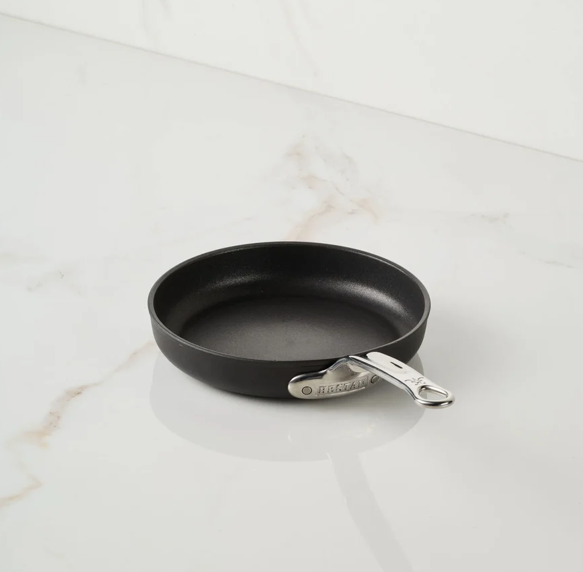
What Sets TITUM Fusion Nonstick Pans Apart?
Modern nonstick cookware is no longer defined by a single coating layer. Instead, it relies on engineered systems that combine reinforcement materials and multi-metal construction to improve long-term performance and stability.
Diamond and titanium reinforced coating system
A major advancement in nonstick technology is the use of reinforced coatings that include diamond and titanium elements. These materials increase surface hardness and reduce the risk of scratches during regular cooking.
This reinforcement helps maintain smoother food release over time and improves resistance to coating breakdown, especially under repeated use conditions.
See also: How Device Verification APIs Improve Efficiency Across the Device Lifecycle
Multi-layer aluminum and stainless steel body
The pan body is constructed using multiple bonded layers, typically combining aluminum and stainless steel. Aluminum ensures fast and responsive heat conduction, allowing quick temperature adjustments during cooking.
Stainless steel adds structural strength, helping the pan maintain its shape even under frequent heat exposure. This layered approach supports both durability and cooking precision.
Designed for high-performance home cooking
The design is not limited to simple frying or reheating tasks. Instead, it supports a wide range of cooking techniques that require controlled heat and consistent surface performance.
This makes the cookware suitable for users who expect stability and reliability across different cooking styles without frequent performance fluctuations.
Heat Performance and Cooking Control
Heat management plays a key role in determining how effective a pan is during cooking. Consistent temperature control helps maintain predictable results across different recipes.
Rapid and even heat distribution
The aluminum core enables quick heat transfer across the entire surface. This ensures that the pan heats evenly without significant delay between different zones.
Even distribution improves cooking accuracy and reduces the need for constant flame or temperature adjustments during use.
Reduced hot spots during cooking
Hot spots occur when certain areas of a pan heat faster than others, leading to uneven cooking. Advanced construction helps balance heat flow across the surface to minimize this issue.
This creates a more uniform cooking environment and reduces the likelihood of uneven browning or burning.
Stability under high-heat usage
The cookware is engineered to maintain stability even when exposed to higher heat levels. This helps protect the coating and ensures consistent performance over repeated cooking cycles.
Controlled heat usage is still recommended to maintain long-term coating integrity and extend product lifespan.
Double Impact Base and Warp Resistance
Structural stability is essential for cookware that is used frequently. Warping can affect heat distribution and reduce cooking efficiency over time.
Why pans warp in traditional cookware
Warping occurs when metal expands unevenly under heat. This uneven expansion can cause the base to bend, resulting in poor contact with the cooktop surface.
When this happens, heat transfer becomes inconsistent, affecting cooking performance and control.
Structural reinforcement technology explained
The double impact base is designed to distribute heat and pressure more evenly across the pan. This reduces stress concentration points that typically lead to deformation.
As a result, the pan maintains a flat cooking surface even after repeated heating cycles.
Benefits for induction cooking compatibility
Induction cooktops require full and stable surface contact for efficient heating. A warp-resistant base ensures proper alignment with the cooktop surface.
In premium cookware systems like Hestan TITUM Fusion nonstick pans, this structural stability improves induction efficiency and overall cooking responsiveness.
Nonstick Surface Durability Over Time
Durability of the cooking surface is one of the most important factors in long-term cookware performance. A stable coating ensures consistent usability and easier maintenance.
Resistance to peeling and degradation
Reinforced coatings are designed to reduce surface breakdown caused by repeated heat exposure and utensil contact. The added structural strength improves resistance to peeling and scratching.
This helps maintain smooth performance over a longer period compared to standard nonstick surfaces.
Extended lifespan compared to ceramic coatings
Ceramic coatings often degrade faster when exposed to frequent high heat. In contrast, reinforced nonstick systems maintain stability and performance for a longer duration when used correctly.
This makes them more suitable for users who cook regularly and require consistent results.
Cleaning and maintenance advantages
The smooth surface reduces food adhesion, making cleaning more efficient. Most residues can be removed with minimal effort, reducing the need for abrasive cleaning tools.
Proper maintenance supports coating longevity and helps preserve long-term performance.
Who Should Use TITUM Fusion Nonstick Pans?
Cookware suitability depends on cooking habits, frequency of use, and expectations regarding durability and performance.
Everyday cooking vs professional cooking needs
For everyday cooking, these pans offer reliable heat control, easy cleanup, and consistent food release. They are suitable for routine meal preparation where convenience and stability are important.
For more advanced cooking needs, they provide controlled heat behavior that supports precision-based cooking techniques without frequent temperature fluctuation.
Ideal users for long-term investment cookware
These pans are best suited for users looking for long-term durability rather than short-term cookware replacement. The reinforced structure and coating system make them ideal for frequent kitchen use.
They also appeal to users who want a balance between nonstick convenience and strong structural performance in a single cookware solution.
Maintenance considerations
To preserve performance, it is recommended to use moderate heat levels and avoid abrasive cleaning tools. Sudden temperature changes should also be minimized to protect structural integrity and coating stability.
Key performance highlights
- Reinforced nonstick coating improves durability
- Multi-layer construction enhances heat distribution
- Warp-resistant base supports induction cooking systems
- Designed for consistent everyday cooking performance
- Easy maintenance with reduced food sticking
FAQs
1. Are these pans suitable for daily cooking?
Yes, they are designed for frequent use and maintain stable performance in everyday cooking environments.
2. What improves the durability of the nonstick surface?
Reinforced coating materials help increase resistance to scratches, peeling, and long-term wear.
3. Can these pans handle high heat cooking?
They are built for heat stability, but moderate heat usage is recommended for maintaining long-term performance.
4. Are these pans compatible with induction cooktops?
Yes, the reinforced base design ensures proper flat contact for efficient induction heating.
5. How do they compare with ceramic nonstick pans?
They generally offer longer lifespan and better resistance to coating degradation compared to ceramic alternatives.
Conclusion
Modern cookware design is centered around durability, heat control, and long-term usability rather than short-term convenience. Reinforced coating systems, layered construction, and warp-resistant bases work together to improve cooking consistency and reliability.
For users seeking dependable everyday cookware with long-term performance benefits, this category provides a strong balance of functionality and durability. Proper usage and maintenance further enhance its lifespan, making it a practical choice for consistent kitchen performance.
For support
For additional details or assistance, visit the official contact page.