Hair Mask for Damaged Hair: Why It Is Essential for Hair Repair
Healthy hair is often a reflection of proper care and consistent maintenance. However, everyday exposure to heat styling tools, chemical treatments, sun exposure, pollution, and harsh weather can leave hair dry, brittle, and prone to breakage. Over time, these factors weaken the hair structure, making it difficult to maintain softness, shine, and strength.
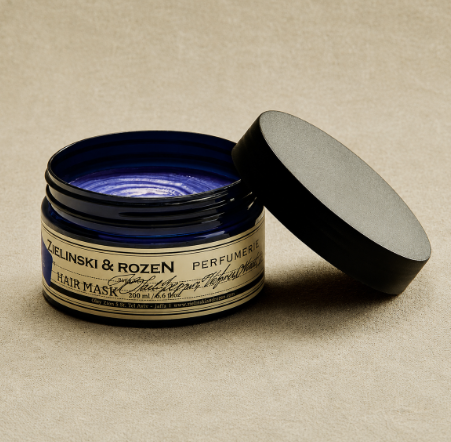
A hair mask for damaged hair is an intensive conditioning treatment designed to provide deep nourishment and hydration. Unlike regular conditioners that mainly work on the outer layer of the hair, hair masks are formulated to penetrate deeper, helping improve moisture levels and support healthier-looking hair. When used as part of a regular hair care routine, a hair mask can help restore smoothness, reduce frizz, and improve the overall appearance of damaged hair.
What Is a Hair Mask for Damaged Hair?
A hair mask for damaged hair is a deep-conditioning treatment created to address common concerns such as dryness, split ends, breakage, and dullness. It contains nourishing ingredients that coat and condition the hair while helping replenish lost moisture.
Hair masks are typically thicker than regular conditioners and are left on the hair for several minutes to allow the ingredients to work more effectively. They can be used on all hair types, although the frequency of use may vary depending on the level of damage.
What Causes Hair Damage?
Understanding the causes of hair damage can help you take steps to prevent it while improving your hair care routine.
Frequent Heat Styling
Using hair dryers, curling irons, and straighteners at high temperatures can weaken the hair cuticle. Repeated heat exposure removes natural moisture, leaving hair dry and fragile.
Chemical Treatments
Hair colouring, bleaching, perming, and relaxing treatments can alter the hair’s natural structure. Over time, repeated chemical processes may increase dryness and breakage.
Environmental Exposure
Sunlight, wind, pollution, and saltwater can affect the hair’s moisture balance. Continuous exposure without proper protection may make hair appear rough and lifeless.
Improper Hair Care
Using harsh shampoos, brushing wet hair aggressively, or washing hair too often can contribute to damage. Even tight hairstyles can create tension that leads to breakage.
Nutritional Factors
Hair health is also influenced by overall nutrition. A balanced diet supports healthy hair growth and helps maintain stronger strands.
Why a Hair Mask for Damaged Hair Is Essential
Hair masks offer several benefits that go beyond everyday conditioning.
Provides Deep Hydration
One of the main advantages of a hair mask is its ability to deliver intense moisture. Dry hair often lacks elasticity, making it more likely to break. Deep hydration helps improve softness and flexibility.
Strengthens Hair
Regular use of a nourishing hair mask can help improve the appearance of weak strands by supporting the hair’s natural structure and reducing the likelihood of breakage.
Reduces Frizz
Damaged hair often has a rough cuticle that causes frizz. Hair masks help smooth the outer layer of the hair, making it easier to manage and style.
See also: Exterior Building Signage: How It Improves Business Visibility
Improves Shine
Healthy hair reflects light more effectively. By restoring moisture and smoothing the hair surface, a hair mask can enhance natural shine.
Makes Hair Easier to Manage
Hair that is well-conditioned is generally easier to detangle, brush, and style. This can reduce unnecessary pulling that contributes to breakage.
Signs You May Need a Hair Mask for Damaged Hair
Your hair may benefit from a deep-conditioning treatment if you notice the following signs:
- Hair feels rough or dry
- Split ends appear frequently
- Increased hair breakage
- Excessive frizz
- Lack of shine
- Difficulty detangling hair
- Hair becomes tangled easily
- Hair feels stiff after washing
Recognising these signs early allows you to improve your hair care routine before the damage becomes more noticeable.
Ingredients Commonly Found in Hair Masks
Hair masks often contain ingredients selected for their moisturising and conditioning properties.
Natural Oils
Plant-based oils help soften hair while supporting moisture retention. They also improve smoothness and reduce dryness.
Plant Butters
Rich plant butters provide intense hydration and create a protective layer that helps prevent moisture loss.
Proteins
Protein-based ingredients can temporarily reinforce weakened hair fibres, making the hair feel stronger and more resilient.
Humectants
These ingredients attract moisture to the hair, helping maintain hydration throughout the day.
Botanical Extracts
Various plant extracts are included for their soothing and conditioning properties, contributing to healthier-looking hair.
How to Use a Hair Mask for Damaged Hair
Applying a hair mask correctly helps maximise its benefits.
Step 1: Wash Your Hair
Begin by washing your hair with a gentle shampoo to remove dirt, oil, and product buildup.
Step 2: Remove Excess Water
Gently squeeze out excess water using a towel. Hair should be damp rather than dripping wet.
Step 3: Apply Evenly
Spread the hair mask from the mid-lengths to the ends of your hair. Focus on areas that appear the driest or most damaged.
Step 4: Leave It On
Allow the mask to remain on your hair according to the recommended time. This gives the ingredients sufficient time to penetrate the hair.
Step 5: Rinse Thoroughly
Rinse with lukewarm or cool water until all product has been removed.
How Often Should You Use a Hair Mask?
The ideal frequency depends on your hair condition.
Lightly Damaged Hair
Using a hair mask once a week is often enough to maintain moisture and softness.
Moderately Damaged Hair
Applying a mask two times per week may provide additional hydration and improve manageability.
Severely Damaged Hair
Hair exposed to repeated heat or chemical treatments may benefit from more frequent deep-conditioning until it begins to feel healthier.
Avoid excessive use, as applying too much product may leave hair feeling heavy.
Tips for Preventing Future Hair Damage
Using a hair mask is only one part of maintaining healthy hair. Preventive care is equally important.
Limit Heat Styling
Reduce the use of high-temperature styling tools whenever possible.
Protect Hair Outdoors
Wear a hat or cover your hair during prolonged sun exposure to minimise environmental damage.
Trim Split Ends
Regular trims help prevent split ends from travelling further up the hair shaft.
Avoid Overwashing
Washing hair too frequently may remove natural oils that help protect and nourish the hair.
Handle Hair Gently
Use a wide-tooth comb on damp hair and avoid vigorous towel drying to reduce breakage.
Eat a Balanced Diet
Nutrients such as protein, vitamins, and minerals support overall hair health and contribute to stronger hair growth.
Common Mistakes to Avoid
Many people unintentionally reduce the effectiveness of their hair masks by making simple mistakes.
Applying Too Much Product
Using more product than necessary does not improve results and may make hair difficult to rinse.
Skipping Regular Treatments
Hair repair takes consistency. Occasional use may not provide noticeable improvements.
Ignoring the Ends
The ends are often the oldest and most damaged part of the hair. They should receive extra attention during application.
Leaving the Mask on for Too Long
Following the recommended application time helps achieve the best balance between hydration and product performance.
Creating a Complete Hair Care Routine
A hair mask works best when combined with healthy hair care habits.
A balanced routine may include:
- Cleansing with a gentle shampoo
- Using a conditioner after each wash
- Applying a hair mask regularly
- Minimising heat styling
- Protecting hair from environmental exposure
- Scheduling regular trims
- Following a nutritious diet that supports healthy hair
Consistent care helps improve both the appearance and condition of damaged hair over time.
Conclusion
A hair mask for damaged hair is an essential addition to a hair care routine for anyone experiencing dryness, breakage, frizz, or dullness. By providing deep hydration and nourishment, it helps improve softness, manageability, and overall hair appearance. While hair masks cannot instantly reverse all forms of damage, regular use alongside gentle hair care practices can significantly improve the health and look of your hair. With patience and consistency, you can help restore stronger, smoother, and healthier-looking hair while reducing the risk of future damage.