How Cocinas de Alquiler Are Changing Food Business Startups
Launching a food business traditionally required significant upfront investment in commercial kitchen space, but the growing availability of cocinas de alquiler, or rental kitchens, has meaningfully lowered this barrier to entry, allowing more food entrepreneurs to test and launch concepts without the substantial capital commitment a dedicated kitchen space traditionally demanded.
What This Rental Model Actually Provides
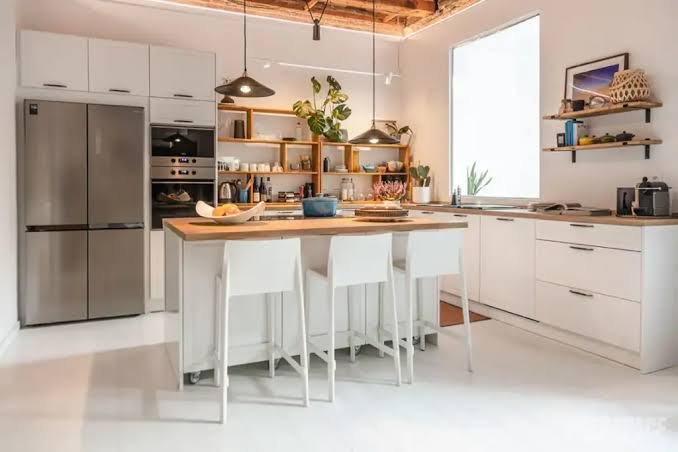
At its core, this model provides food businesses access to fully equipped, commercial-grade kitchen space on a flexible rental basis, whether that means hourly, daily, or longer-term arrangements, without requiring the business to independently invest in the significant equipment and buildout costs a dedicated commercial kitchen traditionally requires from scratch.
Why This Flexibility Genuinely Benefits Different Business Stages
Early-stage food entrepreneurs testing concept viability benefit from the ability to access professional kitchen space without long-term commitment, while more established businesses experiencing seasonal demand fluctuations or needing additional production capacity temporarily can scale kitchen access up or down as needed, rather than being locked into fixed capacity regardless of actual current demand.
How Shared Facility Models Support Cost Efficiency
Many rental kitchen facilities operate on a shared model, where multiple food businesses utilize the same physical space and equipment at different times, allowing the underlying equipment and facility costs to be distributed across multiple businesses rather than each individual business bearing the full cost of dedicated equipment that might otherwise sit unused during significant portions of the day.
For those exploring this option, this overview of cocinas de alquiler rental kitchen space covers the available facility options and flexible arrangements suited to different food business needs and stages.
Considering Practical Logistics When Evaluating Rental Kitchen Options
Beyond simply available equipment, practical considerations like storage space for ingredients and finished products, scheduling flexibility to accommodate your specific production timeline, and proximity to your delivery or distribution area all genuinely affect how well a specific rental kitchen arrangement will actually serve your business’s operational needs day to day.
Frequently Asked Questions
How does the cost of rental kitchen space typically compare to building a dedicated kitchen?
Rental arrangements generally involve considerably lower upfront investment, though ongoing rental costs need to be weighed against this reduced initial capital requirement when evaluating long-term cost efficiency for your specific business.
Can multiple food businesses genuinely share kitchen space without operational conflicts? Yes, well-managed shared facilities typically implement scheduling systems specifically designed to avoid conflicts, allowing multiple businesses to operate efficiently within the same shared space.
Is rental kitchen space suitable for businesses planning significant long-term growth?
This depends on individual business trajectory; some businesses use rental space as a stepping stone before eventually investing in dedicated facilities, while others find the flexibility continues to suit their needs even at larger scale.
Final Thoughts
The growing availability of rental kitchen space genuinely lowers the barrier to entry for food entrepreneurs, offering meaningful flexibility that supports everything from initial concept testing through ongoing operational scaling without the traditional capital demands of dedicated kitchen investment.