HIFU Machines in the UK: A Complete Guide to Skin Tightening and Non-Surgical Facial Lifting
The beauty and aesthetics industry continues to evolve as more people look for ways to improve their skin without undergoing invasive cosmetic procedures. Skin tightening, facial lifting, and wrinkle-reduction treatments have become popular options for clients who want to maintain a youthful appearance while avoiding surgery and lengthy recovery periods. Among the technologies attracting attention in professional beauty clinics is High-Intensity Focused Ultrasound, commonly known as HIFU.
For beauty professionals, salon owners, and aesthetic practitioners, understanding how HIFU technology works can help them make informed decisions about equipment, treatment options, and client care. Choosing the right machine also requires careful consideration of its features, safety documentation, training requirements, and suitability for the intended treatments.
What Is HIFU Technology?
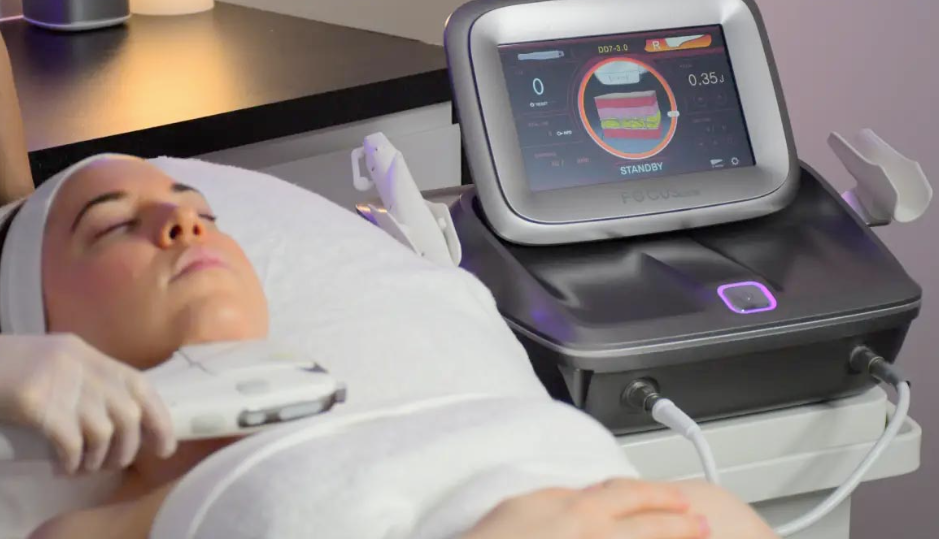
High-Intensity Focused Ultrasound is a technology that delivers focused ultrasound energy to selected depths beneath the skin. In aesthetic applications, the energy creates controlled thermal effects in targeted tissue, which may stimulate collagen remodelling and contribute to improvements in skin firmness.
Collagen is an important structural protein that helps maintain the skin’s strength, elasticity, and overall appearance. As people age, collagen production and skin elasticity naturally decline. This can contribute to fine lines, sagging skin, and less-defined facial contours.
HIFU treatments are designed to address some of these concerns without incisions or injections. Depending on the device, treatment settings, and individual suitability, practitioners may use the technology for selected facial and neck areas.
However, results are not identical for everyone. Skin condition, age, treatment technique, and the characteristics of the equipment can all influence outcomes. HIFU should not be presented as a guaranteed alternative to surgical lifting.
See also: How Technology Is Supporting Better Operational Efficiency
Common Applications of HIFU Treatments
HIFU equipment is used in aesthetic settings for several skin-focused applications. The available treatments depend on the specific device, its approved intended purpose, and the practitioner’s training.
1. Facial Skin Tightening
One of the most recognised applications of aesthetic HIFU is improving the appearance of loose facial skin. Focused energy may encourage collagen remodelling in selected tissue layers, helping some clients achieve a firmer-looking appearance over time.
Practitioners may assess areas such as the cheeks, lower face, and jawline when determining whether a client is suitable for treatment.
2. Jawline and Facial Contouring
Changes in skin elasticity can make facial contours appear less defined. Certain HIFU systems are designed to target specific facial areas, including the lower face and jawline.
Treatment planning should account for facial anatomy, skin thickness, and the client’s expectations. Appropriate settings and technique are essential, as incorrect energy delivery may cause unwanted effects rather than the intended cosmetic improvement.
3. Neck Rejuvenation
The neck is another area where age-related changes in skin firmness may become noticeable. Some HIFU devices offer treatment depths intended for selected neck applications.
Because the neck contains important anatomical structures, practitioners must follow device-specific instructions and appropriate professional protocols. Not every area of the neck is suitable for treatment.
4. Fine Lines and Wrinkles
Collagen remodelling may help improve the appearance of certain lines associated with skin ageing. Nevertheless, HIFU does not address every cause of wrinkles, and outcomes vary according to the treatment area and individual skin characteristics.
A proper consultation helps establish realistic expectations and determine whether another skincare or aesthetic approach would be more appropriate.
Why Are Beauty Professionals Investing in HIFU Equipment?
Adding an advanced aesthetic device can help an established clinic expand its service offering. However, purchasing professional equipment should be based on business needs rather than marketing claims alone.
A Broader Treatment Menu
A suitable HIFU system may allow a clinic to introduce additional skin-tightening and facial-lifting services. This can complement existing treatments, provided practitioners have the necessary qualifications and the equipment is appropriate for each intended application.
Non-Surgical Treatment Options
Some clients prefer non-surgical approaches because they do not involve incisions. HIFU can offer an option for selected individuals seeking improvements in skin firmness without surgery.
It is important to explain that non-invasive treatments can still involve risks and may not produce results comparable to surgical procedures.
Opportunities for Business Development
A new treatment can attract interest from existing clients and potential customers. Before investing, salon owners should assess local demand, competitor pricing, practitioner training costs, maintenance expenses, consumables, insurance, and the time required to deliver each treatment.
A realistic business plan is more useful than relying on promises of rapid returns or guaranteed profits.
Choosing a HIFU Machine in the UK
Selecting aesthetic equipment requires more than comparing prices and appearance. The right machine should suit the treatments a business intends to offer and come with clear technical information and appropriate support.
When comparing available options, consider the following factors.
1. Treatment Depths and Cartridge Options
Different treatment depths are designed for different tissue targets. Some machines provide interchangeable cartridges to support a range of applications.
For example, a system offering several depth options may provide greater flexibility than a device with a single treatment configuration. Nevertheless, additional cartridges do not automatically mean better results. Practitioners must understand which settings are appropriate for each area and client.
2. Controls and Ease of Operation
A clear display, accessible controls, and understandable operating instructions can make equipment easier to use in a professional environment.
Before purchasing, review the user manual, training resources, maintenance requirements, and available technical support. Ease of operation should never replace proper training or knowledge of facial anatomy.
3. Safety Documentation and Compliance
Buyers in the UK should carefully review the manufacturer’s documentation, the device’s intended purpose, applicable conformity requirements, and any relevant restrictions.
CE or UKCA marking should not be treated as a blanket guarantee of clinical effectiveness or suitability for every treatment. Ask the supplier for the documentation relevant to the exact model being purchased.
Professional indemnity insurance, premises requirements, and local licensing or treatment rules may also need to be considered.
4. Warranty and After-Sales Support
Professional equipment represents a significant investment. A clear warranty, accessible technical assistance, replacement-part availability, and transparent delivery terms can help businesses plan for long-term ownership.
Check what the warranty covers, whether consumables and handpieces are included, and what happens if the machine requires repair.
5. Total Cost of Ownership
The purchase price is only one part of the investment. Consider training, insurance, maintenance, cartridge replacement, electricity, marketing, and any financing costs.
Comparing the total cost of ownership across several years can provide a more realistic picture of affordability.
Exploring the 7D VMax HIFU 2-in-1 Machine
Beauty professionals researching HIFU equipment can explore the HIFU machine UK range offered through Glow Beauty Case.
The company’s 7D VMax HIFU 2-in-1 Skin Tightening and Lifting Machine is marketed towards professional salons, aesthetic clinics, and trained practitioners seeking equipment for selected facial and body applications.
According to the product listing, the system includes separate facial and body handpieces, seven interchangeable cartridges, and a control unit intended to support different treatment depths. The listed cartridge depths are 1.5 mm, 2.0 mm, 3.0 mm, 4.5 mm, 6.0 mm, 9.0 mm, and 13.0 mm.
The product page also advertises CE, RoHS, and UKCA-related compliance information, a 12-month warranty, and UK-based support. Buyers should confirm the applicable documentation, warranty terms, and precise intended use directly with the supplier before making a purchase.
The listed package contents include the main machine, facial and body handpieces, seven probes or cartridges, a power cord, and a user manual. Prospective buyers should verify the final package specifications and included accessories at the time of ordering.
Is a 2-in-1 System Worth Considering?
A combined system may appeal to businesses that want equipment for more than one treatment category without purchasing separate machines.
Potential advantages include:
- A broader range of treatment options within one equipment platform.
- Flexibility when planning services for different client needs.
- A consolidated equipment footprint compared with owning multiple standalone systems.
- The opportunity to assess whether several treatment categories fit the clinic’s business model.
The suitability of a combined system ultimately depends on the actual device specifications, training requirements, safety documentation, and expected client demand.
What Should Clients Expect From HIFU Treatments?
A responsible treatment process begins with a consultation rather than immediately proceeding to the procedure.
Initial Consultation
The practitioner should review the client’s concerns, medical history where relevant, skin condition, expectations, and suitability for treatment. Contraindications must be assessed in accordance with the device manufacturer’s instructions and applicable professional guidance.
Clients should receive an explanation of potential benefits, limitations, risks, alternative treatments, and expected costs.
Treatment Planning
The practitioner selects an appropriate approach based on the intended treatment area, the device’s instructions, and the client’s individual needs.
Energy settings and treatment depths should never be selected solely to achieve faster results or based on another client’s experience.
During the Procedure
Sensations vary depending on the device, treatment area, and individual sensitivity. Some clients experience warmth, tingling, or discomfort.
The practitioner should monitor the client’s response and follow the manufacturer’s instructions throughout the procedure.
Aftercare and Follow-Up
Clients should receive clear aftercare instructions and information about symptoms that require professional assessment.
Any improvement in skin firmness may develop gradually rather than immediately. The timing and duration of results vary, and maintenance treatments should only be recommended when appropriate for the individual and device.
Understanding the Risks and Limitations
Although HIFU is non-invasive, it is not risk-free. Potential adverse effects can include redness, swelling, tenderness, bruising, and discomfort. More serious complications, including burns, nerve-related symptoms, or unwanted tissue damage, may occur if treatment is unsuitable or performed incorrectly.
Not everyone is an appropriate candidate. The practitioner should screen clients carefully, observe contraindications, and refer them for medical advice when necessary.
HIFU should also be distinguished from radiofrequency treatments. Both technologies may be used in aesthetic settings, but they deliver energy differently. Product descriptions that combine terminology such as ultrasound and radiofrequency should be checked against the actual technical documentation rather than assumed to describe the same technology.
For these reasons, appropriate training, accurate client assessment, and adherence to the manufacturer’s instructions are essential.
How Can Clinics Evaluate the Business Case for HIFU?
Before buying a machine, a clinic should estimate how many suitable clients it can realistically attract and how much each treatment will cost to deliver.
A simple business assessment should include:
- The initial equipment purchase and any financing costs.
- Training and insurance expenses.
- Treatment-room preparation and maintenance.
- Consumables and replacement parts.
- Expected appointment numbers and realistic treatment prices.
- Marketing costs and ongoing client acquisition.
- The possibility of downtime, refunds, or equipment repairs.
For example, a clinic can calculate its contribution per appointment by subtracting the variable cost of delivering a treatment from the amount charged to the client. It can then estimate how many appointments are needed to cover the equipment investment and other fixed costs.
This approach provides a more reliable basis for decision-making than assuming that a machine will pay for itself after a predetermined number of treatments. Actual profitability depends on demand, pricing, operating costs, and the quality of service.
Questions to Ask Before Purchasing
Before choosing a professional HIFU system, buyers should ask the supplier:
- What is the exact model and intended purpose of the machine?
- Which conformity and safety documents are available for this specific model?
- What training is required before operating the equipment?
- Which cartridges, handpieces, and accessories are included?
- What does the warranty cover, and how are repairs handled?
- Are replacement cartridges and technical support available?
- What are the delivery, return, and cancellation conditions?
- Are there any additional costs that are not included in the advertised price?
Getting clear answers before placing an order can help avoid misunderstandings and support a more informed investment decision.
Conclusion
HIFU technology has become an option for aesthetic businesses looking to offer selected non-surgical skin-tightening and facial-lifting treatments. Its potential appeal lies in focused energy delivery, the possibility of collagen remodelling, and the ability to incorporate additional services into a professional treatment menu.
However, successful use depends on much more than the machine itself. Appropriate training, client screening, accurate technical information, safety procedures, and realistic expectations are essential.
For clinics comparing equipment, the 7D VMax HIFU 2-in-1 system from Glow Beauty Case is one option to investigate. Reviewing its specifications, compliance documentation, included accessories, warranty, and support arrangements can help buyers determine whether it fits their professional requirements.
Ultimately, the best equipment investment is one that aligns with the clinic’s intended treatments, operational capabilities, client needs, and long-term business goals.