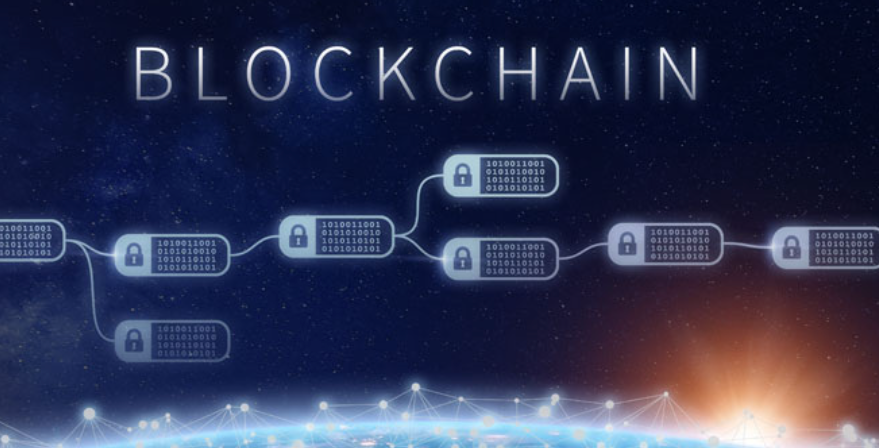
What Is a Blockchain Network?
A blockchain network is a distributed ledger shared by many participants. It records transactions in linked blocks secured by cryptography. Consensus protocols ensure agreement on the ledger’s state without a central authority. Participants are incentivized to maintain accuracy and availability. The result is a tamper-resistant history that supports transparent governance and decentralized decision making. This foundation underpins token economies and auditable interactions across finance, supply chains, and digital rights management, inviting further exploration.
What Is a Blockchain Network and Why It Matters for You
A blockchain network is a distributed system that records transactions across multiple computers to ensure data integrity and security. It enables transparent governance and decentralized decision making, influencing blockchain governance structures and stakeholder participation. By shaping token economics, incentives align behavior and funding for network vitality. This clarity supports individual choice, reduces reliance on centralized authorities, and clarifies how secure, open ledgers empower personal freedom.
See also: How Technology Is Revolutionizing Online Learning Platforms
Smart Contracts: Use Cases, Examples, and How to Start
Smart contracts are self-executing agreements with the terms directly written into code, enabling automated enforcement of conditions without intermediaries.
These tools unlock practical use cases across finance, supply chains, and digital rights, while supporting transparent governance models.
They reduce friction, invite experimentation, and require careful auditing.
Start small with clear inputs, upgrade procedures, and maintain strong security reviews to protect freedom and trust.
How Blocks, Validators, and Miners Secure the Chain
Blocks, validators, and miners form the backbone that sustains blockchain integrity. Block validation ensures each new block adheres to protocol rules, preventing invalid transactions from entering the chain. Validators run consensus protocols to agree on the current state, while miners contribute computational effort in proof-based systems. Together, these processes deter tampering, maintain order, and enable trusted, decentralized confirmation of activity.
Who Participates and How the Network Stays Secure
Who participates in a blockchain network, and how is it kept secure? Participants include developers, node operators, and validators or miners who verify and propagate transactions.
Security relies on cryptographic hashes, consensus mechanisms, and economic incentives. Block validation confirms integrity, while incentive structures align behavior, rewarding correct participation and discouraging misconduct. Transparency, accessibility, and decentralized governance sustain trust and resilience.
Conclusion
A blockchain network beckons broader benefits by balancing bold, borderless collaboration with robust, verifiable security. By blending brilliant cryptography, consensus-driven decision making, and transparent governance, it builds trust across participants. Miners, validators, developers, and users jointly sustain a scalable, secure system that records transactions with integrity. As stakeholders synergize, incentives align, and interfaces become intuitive, adoption accelerates, yielding resilient, auditable ecosystems that empower, protect, and enable trustworthy, tamper-resistant digital economies.