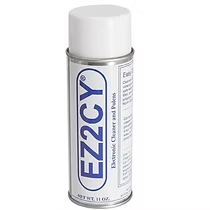
What Is the Best Plastic Scratch Remover for Restoring Clear Surfaces?
Clear plastic surfaces are widely used in marine, automotive, and outdoor applications because of their durability and visibility. However, scratches, haze, and surface damage can reduce their effectiveness over time. Restoring these surfaces requires the right products and techniques to maintain clarity and performance.
If you are searching for a reliable solution, consider using a high-quality plastic scratch remover designed to restore and protect plastic surfaces without causing further damage.
Understanding Plastic Surface Scratches
Plastic scratches are a common issue that affects both the appearance and functionality of surfaces. Understanding the types and causes of scratches helps in choosing the right restoration approach.
Different levels of damage require different solutions, so identifying the severity of scratches is the first step toward effective repair.
Types of Scratches on Plastic
Plastic surfaces can develop various types of scratches depending on exposure and usage.
- Light surface scratches
These are minor marks that affect only the top layer. They are usually easy to remove with proper polishing techniques. - Deep gouges
These scratches penetrate deeper into the material and may require multiple applications or specialized restoration methods to improve their appearance.
Common Causes of Plastic Damage
Scratches often result from everyday exposure and improper handling.
- Environmental exposure such as UV rays, salt, and debris
- Improper cleaning methods that involve rough cloths or abrasive materials
- Contact with hard or sharp objects
- Lack of regular maintenance
How a Plastic Scratch Remover Works
A plastic scratch remover is specifically formulated to repair surface imperfections without damaging the material. It works by smoothing out irregularities and restoring the original finish.
The effectiveness of a scratch remover depends on its formulation and how it is applied.
Polishing Compounds and Abrasives Explained
Scratch removers contain fine polishing compounds that gently level the surface.
- Smoothing surface imperfections through controlled abrasion
- Removing fine layers to reduce the visibility of scratches
- Preparing the surface for a polished finish
- Maintaining structural integrity while restoring appearance
Restoring Clarity and Shine
In addition to removing scratches, these products enhance the overall look of the surface.
- Enhancing visibility by reducing haze
- Restoring a smooth and glossy finish
- Improving light transmission through clear materials
- Creating a refined and polished appearance
For advanced plastic restoration solutions, you can explore options available at EZ2CY which are designed for durability and clarity.
When Should You Use a Plastic Scratch Remover?
Knowing when to use a scratch remover is essential for maintaining plastic surfaces in good condition. Early intervention can prevent minor issues from becoming more serious problems.
Regular inspection of surfaces helps identify when restoration is needed.
Signs Your Plastic Needs Restoration
There are several indicators that suggest it is time to use a scratch remover.
- Cloudiness and dullness that reduce transparency
- Visible scratches affecting clarity
- Surface haze that interferes with visibility
- Uneven texture caused by wear
Preventing Further Damage
Using a scratch remover at the right time helps prevent additional damage.
- Early treatment reduces the need for extensive repairs
- Prevents scratches from deepening over time
- Maintains surface strength and integrity
- Supports long-term durability
Step-by-Step Guide to Removing Scratches from Plastic
Applying a scratch remover correctly is essential for achieving the best results. A structured approach ensures effective restoration without causing additional damage.
Following the proper steps helps achieve a smooth and clear finish.
Surface Preparation
Preparation is a critical step that should not be overlooked.
- Cleaning before repair to remove dirt and debris
- Drying the surface thoroughly
- Choosing proper tools such as microfiber cloths
- Ensuring the surface is free from contaminants
Applying Scratch Remover Effectively
The application process determines how well the scratches are reduced.
- Applying a small amount of product evenly
- Using gentle circular motions to work the compound into the surface
- Buffing and polishing steps to enhance clarity
- Repeating the process if necessary for deeper scratches
Tips for Achieving Professional Results at Home
Achieving a professional-quality finish requires attention to detail and the use of proper techniques. Small adjustments in the process can make a significant difference in the outcome.
Consistency and care are essential when working with plastic surfaces.
Using the Right Materials and Tools
The quality of tools used during restoration affects the final result.
- Microfiber cloths and applicators help prevent scratches
- Soft materials ensure even application
- Clean tools reduce the risk of contamination
- Proper selection of materials improves efficiency
Maintaining Even Pressure and Motion
Technique plays a key role in achieving uniform results.
- Applying consistent pressure during polishing
- Avoiding uneven finishes caused by irregular motion
- Working in small sections for better control
- Ensuring complete coverage of the surface
Preventing Future Scratches on Plastic Surfaces
Once the surface has been restored, it is important to take steps to prevent future damage. Long-term care helps maintain clarity and reduces the need for frequent repairs.
Preventative measures are essential for preserving the quality of plastic surfaces.
Proper Cleaning Techniques
Using the correct cleaning methods helps protect surfaces from scratches.
- Gentle cleaning habits that avoid abrasive materials
- Using products specifically designed for plastic surfaces
- Regular maintenance to prevent buildup
- Avoiding harsh chemicals that can weaken the material
Protective Measures and Coatings
Adding protective layers can significantly extend the life of plastic surfaces.
- Applying coatings that enhance durability
- Reducing exposure to harmful environmental elements
- Storing surfaces properly when not in use
- Covering and shielding surfaces for added protection
For expert guidance or product recommendations, you can Get in Touch to find the right solution for your needs.
FAQs
1. What is a plastic scratch remover used for?
A plastic scratch remover is used to reduce or eliminate surface scratches, restore clarity, and improve the appearance of plastic materials.
2. Can all scratches be removed from plastic?
Light scratches can usually be removed effectively, while deeper scratches may require multiple treatments or may only be minimized.
3. How often should I use a scratch remover?
It should be used as needed when scratches or dullness become noticeable. Regular maintenance can reduce the frequency of use.
4. Is it safe to use scratch remover on all types of plastic?
Most high-quality products are designed to be safe for a wide range of plastics, but it is important to follow usage instructions.
5. What is the best way to prevent scratches on plastic surfaces?
Using proper cleaning techniques, avoiding abrasive materials, and applying protective coatings can help prevent scratches.
Conclusion
Plastic surfaces are highly functional but require proper care to maintain their clarity and durability. Scratches, haze, and environmental damage can reduce their effectiveness, but the right plastic scratch remover can restore their original appearance.
By understanding the types of scratches, using proper techniques, and following a consistent maintenance routine, it is possible to achieve long-lasting results. Choosing high-quality products and applying them correctly ensures that plastic surfaces remain clear, smooth, and visually appealing over time.